
Eat Later, Better: Fermenting, Freezing, and Pickling for Waste‑Wise Meal Prep
Today we explore sustainable food storage—fermenting, freezing, and pickling—to prevent waste in meal prep, stretch budgets, and keep flavors vibrant for longer. Discover practical science, joyful kitchen rituals, and time-saving systems that turn surplus into delicious future meals. Expect actionable steps, safety pointers, and inspiring ideas that help you plan smarter, store confidently, and serve satisfying dishes whenever life gets busy. Share your successes and questions in the comments, subscribe for weekly techniques, and join a community committed to eating thoughtfully while wasting less.

Fermentation: Harnessing Friendly Microbes for Flavor and Stability
Lactic acid fermentation turns simple produce into tangy, complex, nutrient‑rich staples that keep for weeks or months. Salt draws out moisture, beneficial bacteria thrive, and acids naturally protect against spoilage. With minimal equipment—a clean jar, a weight, and patience—you gain incredible versatility. Additions like garlic, ginger, chili, or peppercorns let you personalize flavor while maintaining safety. Whether you’re transforming cabbage into sauerkraut or cucumbers into crunchy delights, fermentation rewards consistency, cleanliness, and curiosity. Keep notes, taste frequently, and enjoy learning from each bubbling jar.
Freezing Done Right: Texture, Taste, and Time
Freezing stops time when you manage ice crystals, air exposure, and temperature stability. Rapid chilling and tight packaging preserve color and structure, while portioning simplifies weekday meals. Blanch vegetables to set pigments and deactivate enzymes; chill immediately to prevent overcooking. For cooked dishes, spread shallow layers for fast cooling, then freeze flat to stack neatly. Label dates and reheat gently to avoid drying. With a steady system, your freezer becomes a curated library of reliable building blocks, not a chaotic graveyard.
Blanching Vegetables so Color and Bite Survive
Brief boiling followed by an ice bath preserves green vibrancy, snap, and nutrients by deactivating enzymes that cause deterioration. Time matters: seconds too long create mush; too short leaves enzymes active. Dry thoroughly before packing to minimize ice crystals and clumping. Spread pieces on a tray to freeze individually, then store in bags for effortless portioning. This small investment pays off when quick sautés, soups, and stir‑fries come together with perfect texture and balanced flavor on busy nights.
Packaging That Prevents Freezer Burn and Odors
Freezer burn steals joy through dehydration and oxidation. Combat it with low headspace, air removal, and durable materials—vacuum sealing if available, or straw‑suction and tight folding if not. Choose thick bags or rigid containers, label everything clearly, and group similar foods to limit door‑open temperature swings. Keep a dedicated bin for ready‑to‑eat items and another for raw components. Your future self will thank you when reheating becomes predictable, aromas stay clean, and every portion tastes like it was frozen at peak flavor.
Portion Control for Fast Reheats and Less Waste
Freeze in the sizes you realistically eat: single servings for lunches, family packs for shared dinners, and small flavor cubes—herb butters, pesto, stock—ready to brighten anything. Flat‑freeze soups or sauces in thin layers that thaw quickly in a bowl of water. Rotate older portions forward weekly and star them on your meal plan. Thoughtful sizing means fewer half‑used containers lingering in the back, fewer forgotten leftovers, and more consistent enjoyment of what you worked hard to cook well.
Pickling That Pops: Quick Acids, Crisp Bites, Bright Meals
Vinegar pickling delivers speed, control, and reliable tang. With balanced brines, clean jars, and heat management, you can create crunchy accents that electrify sandwiches, salads, grain bowls, and charcuterie. Quick pickles are ideal for perishable produce: transform red onions, cucumbers, carrots, or radishes in minutes. Adjust sweetness and spice for harmony, then rest in the fridge to deepen flavor. Because acidity discourages harmful microbes, these jars extend usefulness while inspiring creativity. The result is punchy brightness that motivates consistent meal prep and reduces waste.
Building a Balanced Brine Without Guesswork
Start with a dependable ratio—equal parts vinegar and water for approachable acidity—then adjust salt and sweeteners to taste. Warm the mixture to dissolve, pour over prepared produce, and cool before chilling. Whole spices and aromatics infuse gradually, inviting personalization without sacrificing structure. Record variations so favorites become repeatable. Proper headspace and clean rims support an effective seal, even for refrigerator storage. With this simple method, you create repeatably delicious jars that brighten meals and keep ingredients relevant long after shopping day.
Keeping Crunch: Produce Choices, Calcium, and Cut Size
Choose firm, fresh produce for best texture, slice consistently, and consider smaller pieces for faster flavor penetration. Some cooks add food‑safe calcium chloride for extra crunch, though ice baths before pickling can also help. Avoid over‑heating delicate vegetables that lose snap under prolonged contact with hot brine. Store cooled jars cold and resist early snacking while flavors settle. A few thoughtful steps protect structure, ensuring each bite delivers satisfying resistance and pop that elevates leftovers, sandwiches, and quick bowls throughout the week.
Meal Prep Workflow: From Market to Jar, Bag, and Freezer
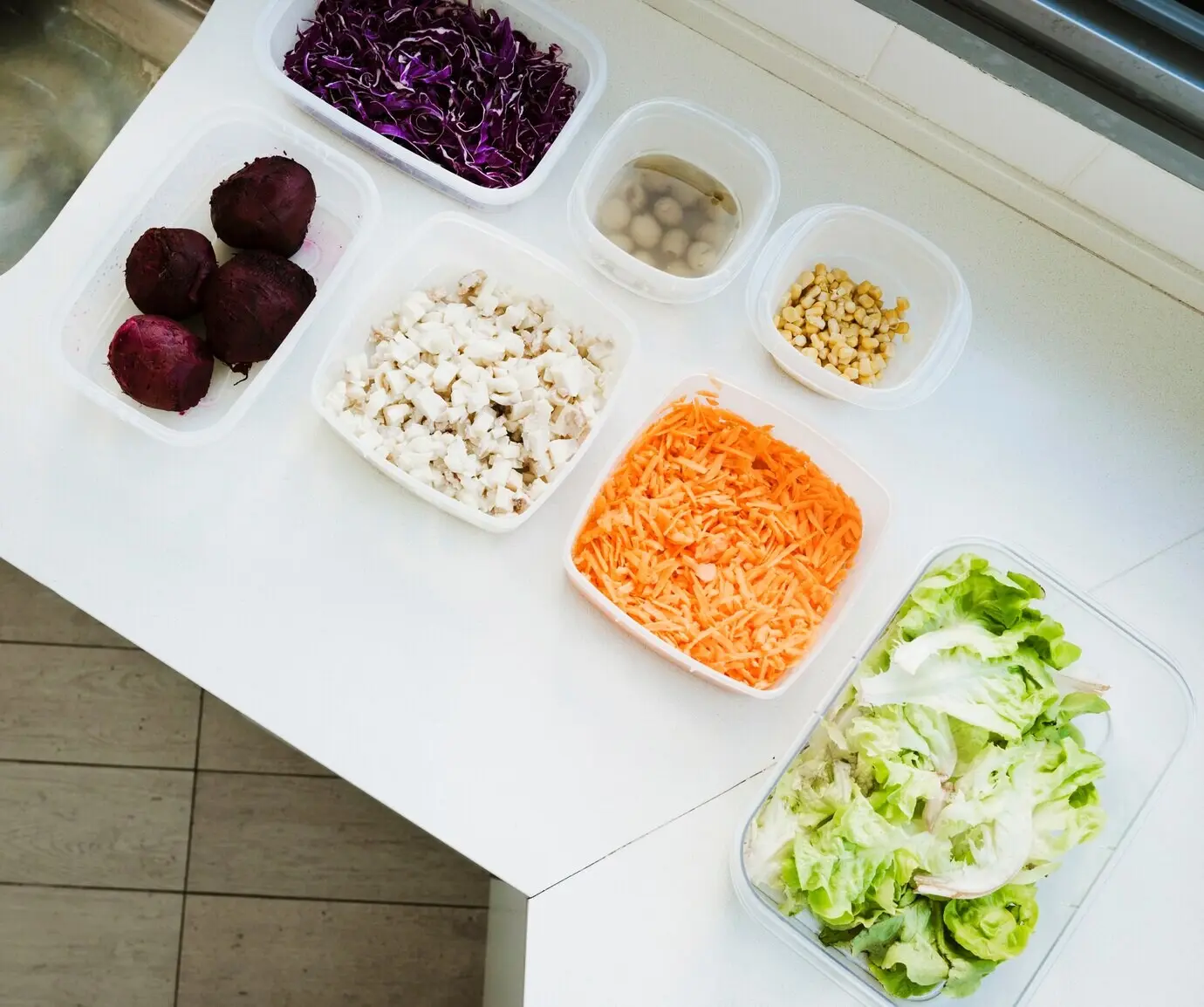
A smooth workflow connects shopping, processing, and storage without bottlenecks. You’ll sort produce by urgency, assign it to fermentation, freezing, or pickling, and prepare proteins and grains with portioning in mind. Label as you go, capture dates clearly, and schedule fifteen‑minute weekly audits. Keep a running list of ready‑to‑eat items, reheatable mains, and bright add‑ons. This map turns good intentions into dependable results. It also reduces decision fatigue, combats clutter, and makes it easier to invite family members into helpful, repeatable roles.
Labeling, Rotation, and an Honest Inventory Ritual
Use bold labels with date, contents, and reheating or serving notes. Adopt a first‑in, first‑out rule and physically move older items forward weekly. Keep a simple inventory on your fridge door, marking what you used and what needs attention soon. Photograph shelves after prep as a visual reminder. This ritual prevents lost jars, neglected containers, and duplicated ingredients. Over time, you’ll predict your household’s rhythm, purchase smarter, and celebrate an organized kitchen that supports sustainable choices and calmer evenings.
Leftovers into Legends: Remixing Without Repetition
Turn cooked grains into crispy skillet cakes topped with sauerkraut and a quick pickle. Blend roasted vegetables into soup, portion and freeze for dependable lunches. Shred remaining chicken, toss with chili oil and lime, and pile onto greens brightened by pickled onions. Keep a rotation of sauces—tahini, chimichurri, yogurt herb—that make repeats feel new. Treat leftovers as components, not obligations. Share your favorite remixes in the comments, inspiring others to stretch ingredients further while keeping momentum, variety, and joy alive.
Household Systems That Get Everyone On Board
Clarify where ferments live, which shelf reserves quick dinners, and how to record items taken. Give roommates or family a simple rule: if you finish it, update the board and add to the shopping list. Assign weekly roles—jar washing, label cutting, freezer audit—to distribute effort. Celebrate wins, like emptying a dated container on schedule. Transparency reduces stalemates and panic cooking, while teamwork keeps preserved foods moving into meals, not hiding behind frosted doors or unlabeled lids.
Measure the Impact: Money Saved, Waste Avoided, Flavor Gained
Track results so motivation stays high. Note how often you eat from the freezer, how many jars rotate each week, and what you no longer toss. Compare grocery receipts month to month and celebrate reductions in impulse buys. Use a simple counter for rescued meals—those transformed by ferments or pickles. Seeing progress makes habits sticky and encourages friends to try. Share your numbers or stories with us, and we’ll highlight creative approaches that prove small, consistent changes deliver big environmental and personal wins.
Tools, Staples, and Budget Tips for Sustainable Storage
A handful of reliable tools makes everything smoother: a sharp knife, sturdy cutting board, digital scale, wide‑mouth jars, fermentation weights, freezer‑safe bags, permanent marker, and a simple funnel. Pair them with essentials like kosher salt, vinegars, whole spices, and citrus for bright finishes. Prioritize purchases that earn their keep across methods. Buy seasonal surpluses, prep immediately, and portion for realistic use. With a focused kit and mindful shopping, preservation becomes affordable, repeatable, and satisfying—even in small kitchens with busy schedules.
Gear That Works Hard Without Breaking the Bank
Choose multi‑use items: a Dutch oven for blanching and soups, sheet pans for flash freezing, and stackable containers for organized shelves. A digital scale boosts fermentation accuracy and baking precision alike. Skip gimmicks and invest in lids that truly seal. Thrift stores often carry glass jars, while community groups trade extras. Start small, then upgrade what proves essential. Share your favorite budget finds with readers to help others build capable, compact toolkits that inspire consistent meal prep and confident storage.
Staples that Stretch Meals and Support Preservation
Keep big jars of kosher salt, apple cider vinegar, rice vinegar, mustard seeds, peppercorns, bay leaves, and dried chili. Stock grains and legumes that freeze beautifully after cooking. Maintain a rotation of aromatics—garlic, onions, ginger—that anchor weekday dishes and flavor brines. These staples help you respond quickly to market deals and garden gluts, converting abundance into ready components. When shelves hold these anchor ingredients, experimentation becomes effortless, meals gain personality, and waste shrinks because you always have what preservation methods require.
Smart Spending: Batch Buys, Seasonal Surplus, and Time Value
Buy produce at peak season when prices dip and quality soars, then transform it immediately. Batch tasks—wash, chop, blanch, and bag in one focused session—to save energy and time. Calculate the value of a frozen base or jarred accent against delivery costs and late‑night stress. Use clear goals, like two freezer dinners per week, to focus spending. Share your monthly savings story in the comments, and we’ll compile community insights that prove sustainable storage pays dividends beyond the plate.
All Rights Reserved.