
From Scraps to Suppers: Root-to-Stem Magic for Smarter Meal Prep

We are diving into Root-to-Stem Cooking: Turning Vegetable Scraps into Nutritious Meal Prep Components, celebrating flavorful ways to use peels, cores, rinds, and stalks all week. Discover practical methods, science-backed benefits, and joyful habits that stretch budgets, cut waste, and spark creativity. Expect easy systems, lively stories, and hacks you can try tonight. Share your experiments in the comments and subscribe for weekly inspiration that keeps your fridge organized and your meals deliciously resourceful.

Why Scraps Matter for Health, Wallet, and Planet

Vegetable peels, stalks, and rinds often carry concentrated fiber, minerals, and protective compounds that support digestion and overall wellness while also adding texture and flavor complexity. Using them wisely stretches grocery budgets and reduces household waste. My family began saving broccoli stems during a tough month, and the resulting slaws, soups, and snacks felt like small miracles. Join the conversation and share how you make more with less without sacrificing delight.

Your Prep Station: Tools, Flow, and Storage

A thoughtful setup makes root-to-stem habits effortless on busy days. Keep a clean cutting board, sharp knife, scrub brush, and a labeled scrap container within easy reach. Decide quickly whether each trimming is destined for stock, roasting, blending, or pickling. Store components in jars or freezer bags with dates and uses, and you will build a reliable pantry of flavor. Systems create momentum, and momentum sustains delicious routines.

Wash, Scrub, and Trim with Confidence

Rinse produce under running water, use a brush for firm skins, and trim damaged spots while keeping edible portions intact. Dry thoroughly to discourage spoilage and improve roasting texture. If unsure about a trimming, research its common culinary uses and safety guidance. A quick blanch can tame harsh notes and set vibrant color. Confidence grows with repetition, and your hands will learn what to keep, transform, and celebrate.

Color-Coded Bins and Immediate Decisions

Set two small bins on the counter: one for flavorful scraps destined for stock or roasting, and one for compost. Label a third container for premium trimmings like herb stems, citrus peel, or mushroom stalks that elevate sauces and grains. Make decisions immediately to avoid clutter. This simple traffic system keeps your station tidy, reduces overwhelm, and guides you toward consistent, enjoyable results every time you cook.

Roast and Toast for Deep, Nutty Complexity

Toss potato peels, parsnip skins, or cauliflower cores with oil, salt, and spices, then roast until caramelized at the edges. Toasting herb stems in a dry pan briefly wakes aroma before blending. This technique concentrates flavor, delivers crisp textures, and adds contrast to soft grains or soups. Sprinkle roasted shards over yogurt bowls, salads, or stews, and watch ordinary meal prep transform into something playful and memorable.

Simmer Slow: Stocks, Broths, and Tea-Like Infusions

Collect onion skins, leek tops, carrot ends, celeriac trimmings, and mushroom stems in the freezer. Simmer with peppercorns, bay, and a splash of vinegar to pull minerals from tough fibers. Keep the heat gentle to preserve clarity and freshness. Use the resulting liquid for risotto, braises, and pan sauces. Strain well and cool quickly. Share your favorite aromatic additions so our community can build a collective flavor map.

Blend Bold: Stems into Sauces, Pestos, and Purees

Carrot tops, kale stems, and parsley stalks whirl into silky sauces with nuts or seeds, olive oil, lemon juice, and chili. Adjust texture with ice water for brightness and control the bitterness with sweetness or roasting. Freeze in small cubes for quick flavor pops. Spoon over frittatas, grain bowls, or roasted vegetables. Tell us your go-to blend, and we will test it in next week’s community dinner plan.

Weekly Meal Prep Roadmaps

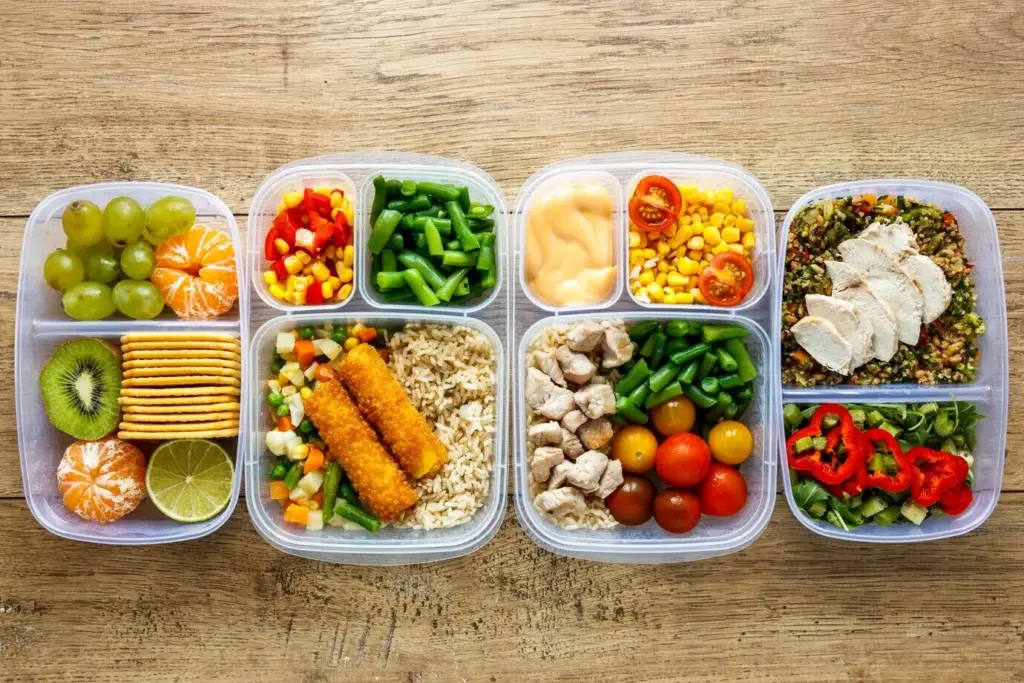
Plan a simple flow that captures value each day without overcomplicating your routine. Start by roasting a tray of mixed peels for crunch, simmering a pot of scrap broth, and blending a stems-based sauce. Use building blocks across breakfasts, lunches, and dinners. Reserve a flexible night for leftovers that need a final flourish. Comment with your schedule constraints, and we will suggest an adaptable sequence to match your reality.

Safety First: What to Use, What to Skip

Thoughtful selection protects flavor and wellbeing. Avoid green potato skins, moldy produce, or heavily waxed rinds. Scrub well, peel when needed, and buy organic strategically for high-impact items. Balance strong bitterness with blanching or pairing strategies. Note any allergies or sensitivities, and keep an eye on storage times. Safety builds trust in your process, letting you cook boldly and share generously with family, friends, and curious dinner guests.

01

Bitterness and Oxalates: Taste, Balance, and Blanching

Some leaves and stems carry necessary bitterness or oxalates that need management. Blanching, soaking, or pairing with dairy, fat, or citrus can soften edges and protect enjoyment. Taste as you go and take notes for next time. Thin slicing also helps. When you treat strong flavors thoughtfully, they become assets, not obstacles, bringing structure and intrigue to creamy soups, grain salads, and buttery roasted vegetable platters.

02

Nightshades, Nitrates, and Sensitive Systems

Tomato and pepper trimmings can be delicious but may bother certain individuals. Beet greens are nutritious yet higher in nitrates, which some prefer to moderate. Listen to your body, rotate greens, and diversify ingredients to maintain balance. Store safely, heat properly, and discard anything questionable. Community members often share helpful adjustments, so post your experiences and we will gather practical tips that respect different needs and preferences.

03

Compost or Cook? Making the Right Call

If a trimming seems damaged, slimy, or suspicious, send it to compost without regret. Prioritize freshness for anything you will cook, and remember that quality in equals quality out. Keep a compost bowl near your prep area so decisions remain quick and stress free. Healthy boundaries build confidence, reduce risk, and preserve your excitement to experiment tomorrow. Share your decision rules to help others learn faster and safer.

Flavor Forward: Spices, Acids, and Texture Play

Elevate humble bits with bright acidity, fragrant spices, and delightful crunch. Lemon, vinegar, and yogurt wake earthy flavors, while toasted seeds and breadcrumbs add satisfying contrast. Chili, ginger, and garlic bring warmth and lift. Finish with fresh herbs or zest for aroma that makes leftovers feel new. Keep a small flavor kit next to your cutting board, and your meal prep will sing even on busy nights.
Kuzipelekokaviro
Privacy Overview

This website uses cookies so that we can provide you with the best user experience possible. Cookie information is stored in your browser and performs functions such as recognising you when you return to our website and helping our team to understand which sections of the website you find most interesting and useful.