Cook Ahead with the Seasons: Abundant Plants, Minimal Waste

Today we’re exploring seasonal, plant-forward meal prep plans that keep food waste to an inspiring minimum while maximizing flavor, nutrition, and savings. You’ll learn to schedule batches around harvest calendars, transform leftovers into fresh meals, and store produce so every leaf counts. Expect practical shopping lists, root-to-stem ideas, and approachable flavors that stay vibrant all week. Join the conversation, share your prep wins, ask questions, and subscribe for weekly guides celebrating taste, thrift, and sustainability at your table.

Build a Seasonal Pantry That Actually Moves

A pantry designed for plant-forward batch cooking should rotate as predictably as the weather. Stock versatile grains, legumes, oils, vinegars, and spices that bridge spring greens, summer tomatoes, autumn squashes, and winter roots. Label everything with dates, keep jars transparent for visibility, and plan shopping around produce cycles. This approach reduces impulse buys, encourages creativity, and makes it easy to pivot when markets surprise you with abundance, ensuring your ingredients flow out before they expire, not in frustrating forgotten piles.

Spring and Early Summer Staples

Lean into tender greens, young carrots, radishes, asparagus, peas, and herbs that brighten everything. Pair them with fast-cooking grains like bulgur and quinoa, and soft beans such as cannellini for creamy textures. Stock lemon, white miso, Dijon, and olive oil to build dressings that keep leftovers exciting. Buy smaller quantities more often, and rinse, spin, and store greens immediately. Prepared foundations make weekday meals quick, crisp, and waste-conscious, preventing wilting surprises buried behind heavier items you won’t use until later.
Late Summer and Fall Abundance

Tomatoes, peppers, eggplant, corn, zucchini, and stone fruit arrive fast and heavy. Support them with farro, chickpeas, and red lentils to build meals that tolerate reheating. Create a rotation of sauces, like roasted pepper purée or slow tomato confit, and freeze excess in small portions. Move delicate items first, and dry or pickle surplus herbs. Label produce bins by priority—now, soon, later—to steer choices every time you open the fridge, guiding cravings toward what is ripest while minimizing wasteful hesitation.

Winter Cellar and Frozen Allies

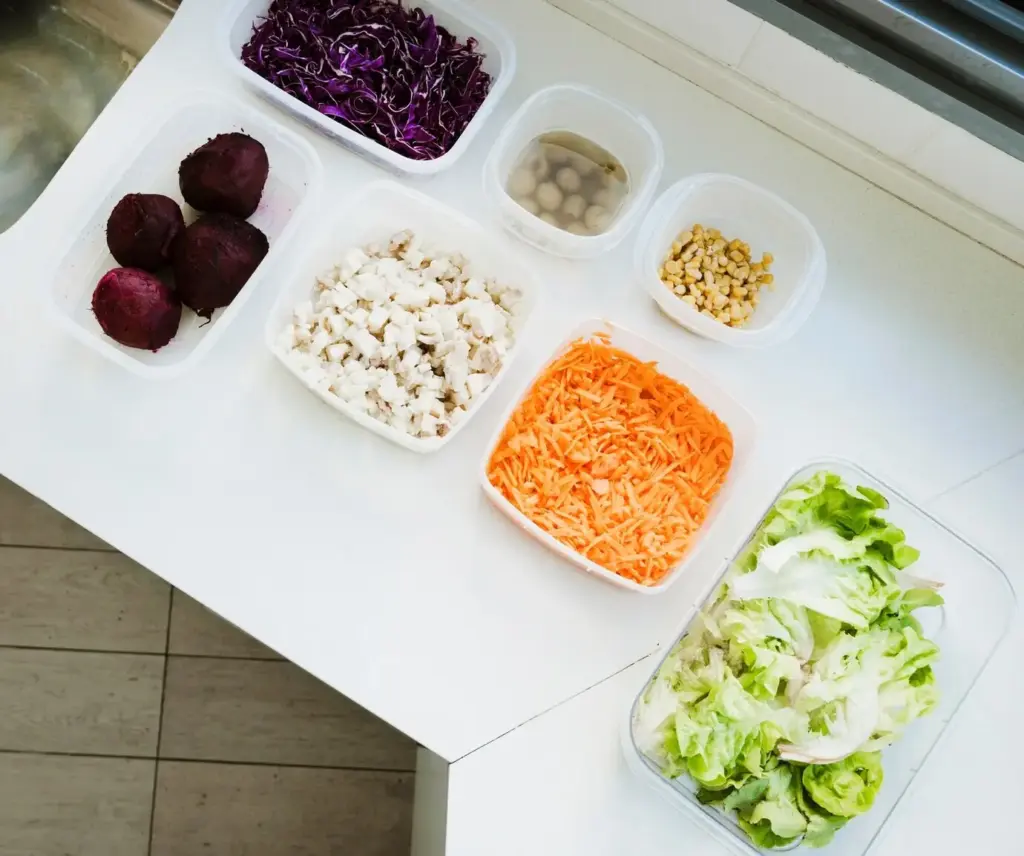
Root vegetables, hardy greens, and crucifers shine when supported by freezer staples. Roast trays of beets, squash, and carrots, then freeze flat-packed portions for flexible use. Keep spinach, peas, and edamame in the freezer alongside precooked grains for quick bowls. Build flavor with pantry aromatics—onions, garlic, ginger—plus spices that wake textures from hibernation. Simmer vegetable trimmings into broth, freeze in cubes, and deploy for stews. This system stretches budgets, protects nutrients, and ensures satisfying variety even on gray, rushed evenings.

Prep Once, Eat Well All Week

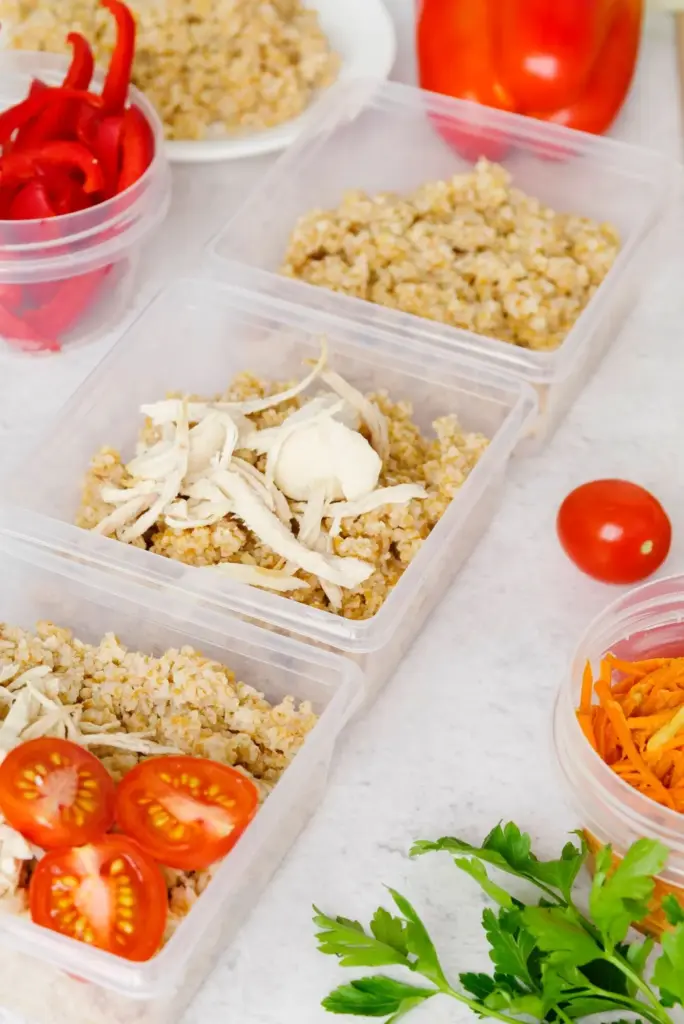
Start with neutral bases that welcome many identities. Cook barley or quinoa plain, roast mixed vegetables with only salt and oil, and simmer beans with bay leaves. During the week, layer distinct personalities: chimichurri for freshness, coconut-lime dressing for richness, sesame-soy glaze for umami. Alternate bowls, wraps, and salads so assemblies feel fresh. Place sauces upfront in the fridge to spark ideas at a glance. Rotating flavor accents prevents palate fatigue and keeps every serving desirable rather than dutiful.
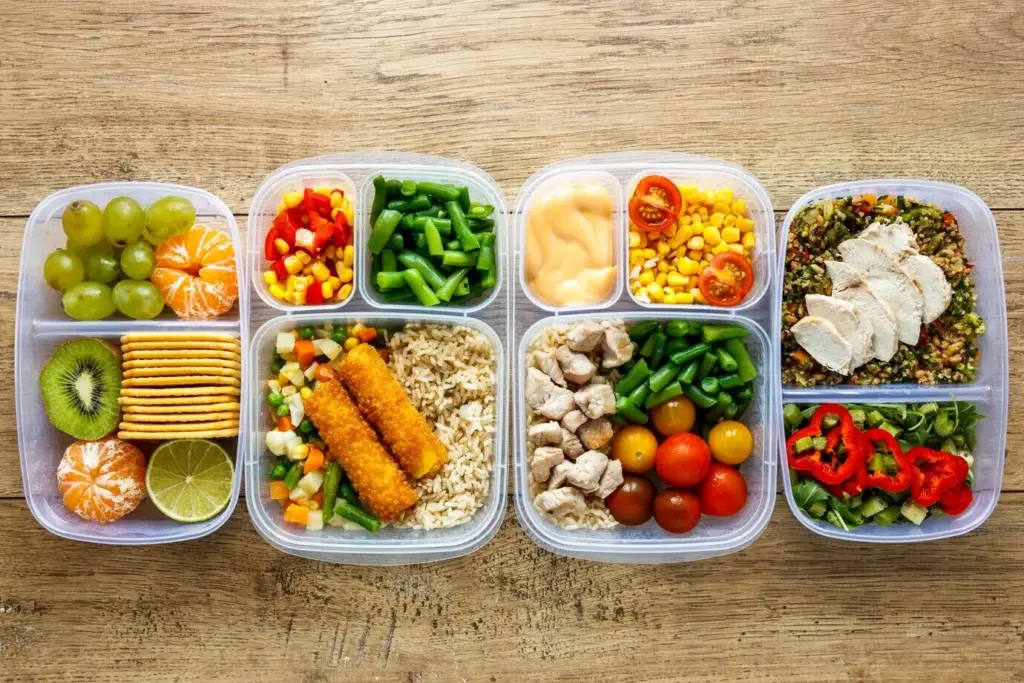
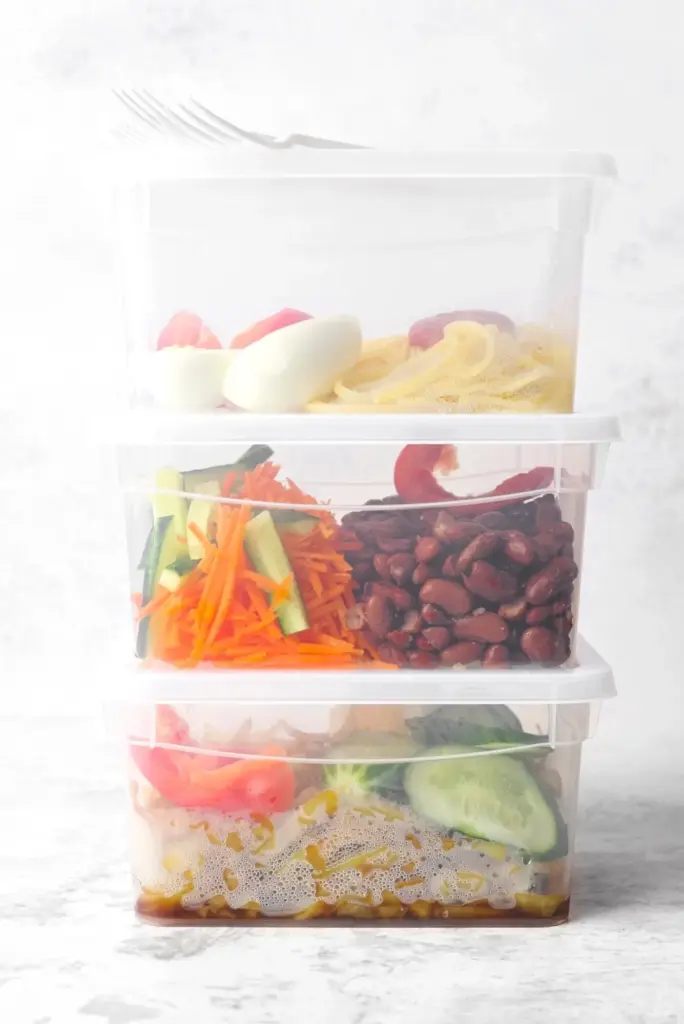
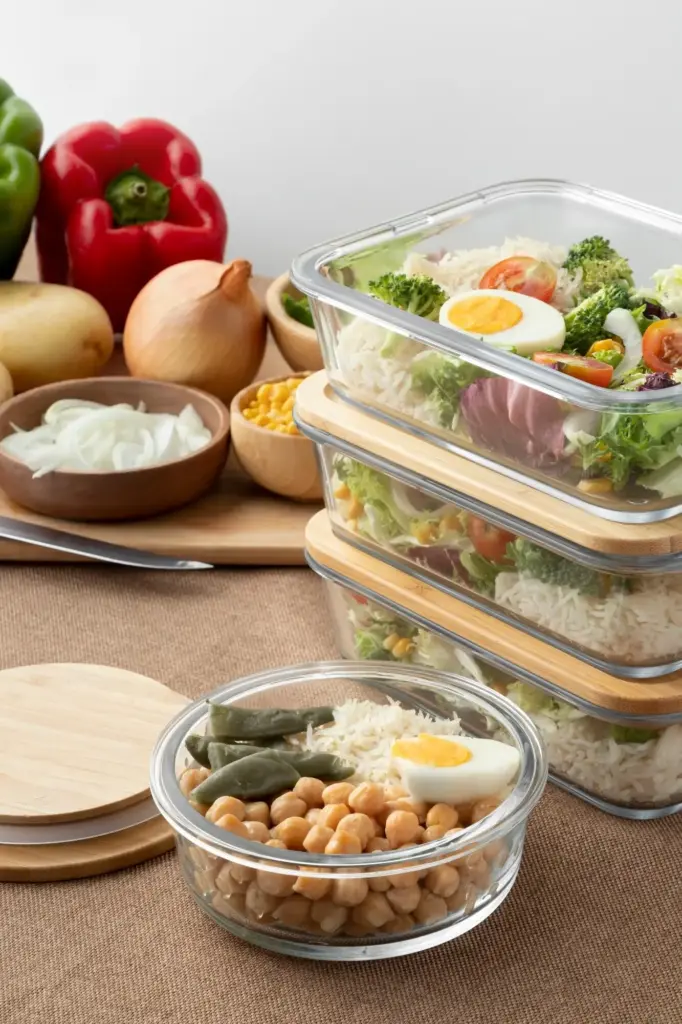
Choose clear, stackable containers to keep inventory visible, and portion components by meal size to discourage overeating or half-used leftovers. Label each container with the item, date, and expected shelf life using removable tape. Store sauces and pickles separately to protect crunch and color. Keep a small marker near the fridge to update plans as you go. Visual order reduces guesswork, helps you honor first-in-first-out habits, and makes changing course easy when a new market find suddenly inspires you.
Good reheating is an art that unlocks satisfaction. Restore roasted vegetables in a hot skillet or air fryer to revive caramelized edges. Splash beans with broth to loosen them gently, rewarming slowly for velvety texture. Refresh grains by steaming with a damp towel or a tablespoon of water. Add crisp raw elements—herbs, shredded cabbage, cucumbers—only at the end. These small rituals maintain contrast and aroma, turning planned leftovers into delightful meals that feel newly cooked rather than resigned compromises.

Waste Less by Design

Designing meals with waste prevention in mind starts before you shop. Plan ingredient reuse across dishes so trimmings and partial portions have destinations. Adopt root-to-stem habits and lean on preservation methods for overflow. Keep a dedicated container for broth-bound scraps and a clear list of imminent uses on the fridge door. Celebrate transformations—stems into relishes, peels into crisps, stale bread into crumbs—so thrift tastes like luxury. When waste prevention is baked into planning, sustainability becomes flavorful, joyful habit.

Protein Power from Plants

Balanced, plant-forward prep relies on legumes, soy foods, grains, seeds, and nuts that satisfy long after lunch. Cook big batches of beans with aromatics, press tofu for better sear, and toast grains for deeper character. Pair proteins with seasonal produce, choosing sauces that enhance digestibility and variety. Rotate textures—creamy hummus, chewy farro, crisp chickpea croutons—so meals feel complete. With smart combinations, you’ll hit protein goals, boost fiber, and keep energy steady without leaning on costly, waste-prone ingredients.

Flavor Maps Across the Seasons

When flavors evolve with the calendar, meal prep stays exciting without extra effort. Create seasonal spice blends and sauce families that remix familiar components into new identities. Spring leans bright and herbal, summer invites smoke and heat, autumn favors warm spices, and winter craves savory depth. Build a small library of condiments to swap in seconds. This intentional rotation protects variety, sparks creativity, and keeps your fridge feeling like a culinary studio rather than a storage locker of obligations.

Spring Zest and Green Sauces

Purée parsley, mint, and lemon with capers for a punchy salsa verde that animates beans and grains. Blend peas with miso and yogurt for a gentle, protein-friendly dressing. Stir pistachio-herb pesto into shaved asparagus salads to create snap and perfume. Grate fresh horseradish cautiously for a wake-up jolt. These bright accents elevate delicate produce without relying on heavy fats, keeping meals buoyant and crisp through the week. Share your favorite combinations so our community can gather new ideas quickly and joyfully.

Summer Fire and Smoke

Char tomatoes and peppers for a quick romesco, pulse with almonds, and drizzle over roasted zucchini. Mix smoky paprika, cumin, and garlic for a dry rub that transforms eggplant into steak-like slices. Balance heat with lime and crisp cucumbers. Make grilled corn relish for bowls, then fold leftovers into bean salads. Keep a jar of chili vinegar ready to revive sleepy leftovers. With bold edges and fresh counterpoints, summer meals remain thrilling even on day four, without creeping toward heaviness or monotony.

Shopping Smarter, Saving More

Thoughtful planning slashes waste before the cart rolls. Start with a flexible menu blueprint, convert it into a precise list, and match quantities to container sizes you own. Shop by ripeness, choosing a mix that matures across the week. Visit markets early for peak selection or late for deals, but always with a plan. Build in one free night for leftover creativity. Track what returns unused and adjust next week. Savings, satisfaction, and sustainability follow naturally from intention.
Kuzipelekokaviro
Privacy Overview

This website uses cookies so that we can provide you with the best user experience possible. Cookie information is stored in your browser and performs functions such as recognising you when you return to our website and helping our team to understand which sections of the website you find most interesting and useful.