Buy Big, Skip Packaging, Eat Well All Week
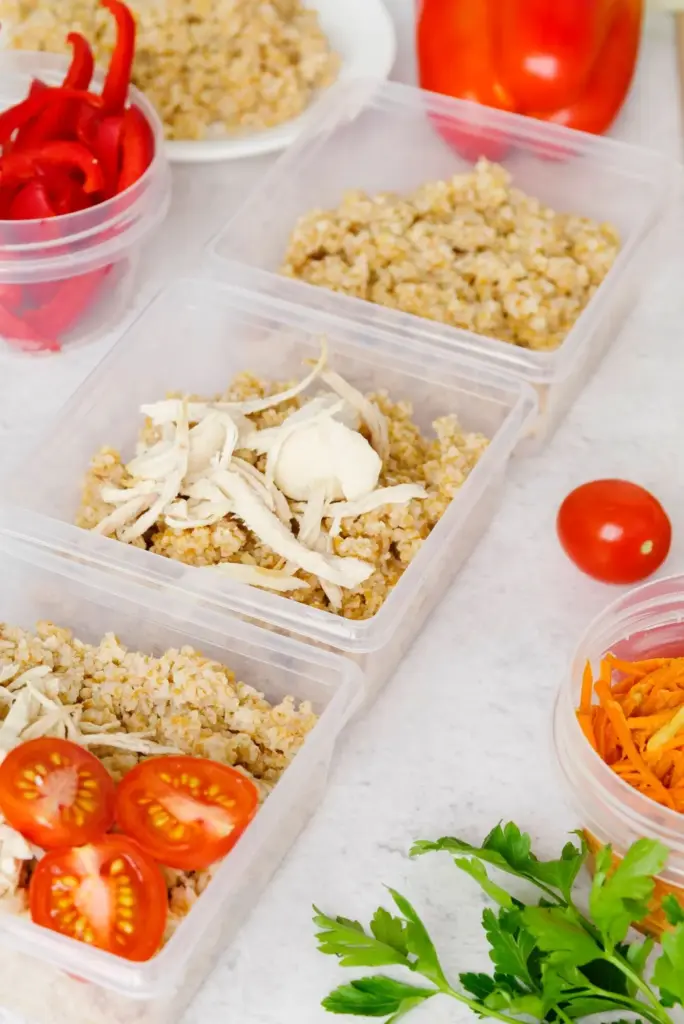
Welcome! Today we dive into bulk buying and package-free grocery strategies for healthy weekly prep, transforming big baskets into nourishing meals with less plastic, less stress, and more savings. Follow along for smart planning, storage tricks, and flavorful batch ideas that make consistency easy and joyful.

Pantry Audit That Actually Helps

List what you already own, note quantities, and mark dates so the oldest items move forward first. Group by category for clarity, and keep a visible list on your phone or door. This single habit stops overbuying, supports bulk rotation, and protects flavor and nutrition.

Seven-Day Menu Map

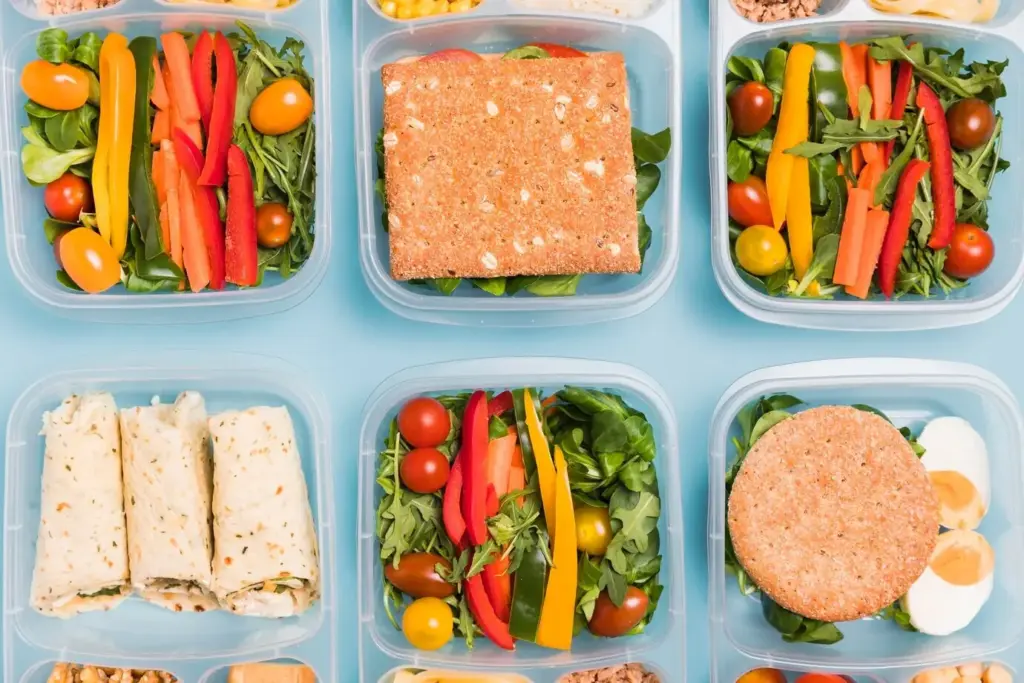
Sketch seven dinners and build lunches from leftovers, leaning on versatile bases like beans, grains, and roasted vegetables. Intentionally repeat ingredients across dishes to simplify prep while keeping flavors fresh. A clear plan makes markets faster and bulk choices confidently aligned with real meals.

Containers That Do the Heavy Lifting

Bring glass jars, tins, cloth produce bags, and silicone pouches with tare weights noted. Add washable labels and a wax pencil for quick identification. Durable containers keep food crisp, prevent spills in backpacks, and make zero-waste shopping welcoming for staff, calm for you, and beautifully organized.

Mastering Bulk Bins and Markets
Navigating bulk bins and markets becomes simple with a repeatable route, reliable vendors, and questions ready. Learn to read unit pricing, seasonality, and quality cues, and always request tare for your containers. With practice, you move quickly, avoid packaging, and bring home fresher ingredients.
Explore co-ops, farmers’ markets, ethnic grocers, refill shops, and warehouse clubs that offer grains, legumes, spices, and cleaning refills. Compare policies for bringing containers, pre-order pickup windows, and membership discounts. Favor stores with transparent sourcing, clean dispensers, and staff who happily weigh your jars before filling.
Wash containers in hot soapy water, dry fully, and store with lids off to prevent odors. In-store, avoid scoops touching your containers and keep allergens separate. If sensitive, maintain dedicated jars for nuts or gluten. Clean routines protect both your household and the wider community.
Unit pricing reveals true value. Calculate cost per ounce or kilogram, then factor quality and waste. A giant bag that goes stale is expensive; a moderate amount that you finish is a bargain. Track prices over weeks, notice sales cycles, and buy confidently without regret.

Healthy Staples That Love Volume

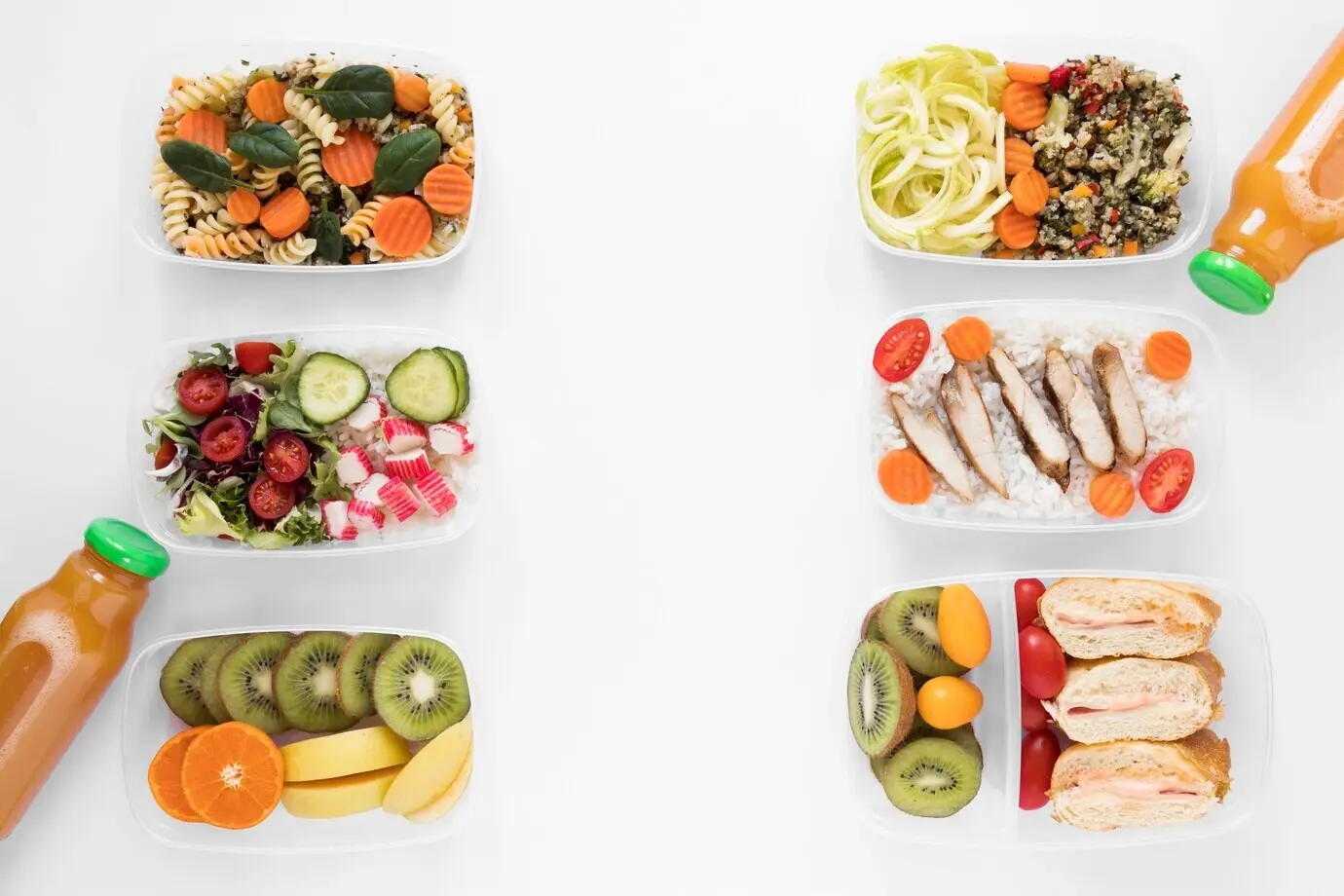
Some ingredients shine when purchased in volume and stored correctly. Choose hearty grains, fiber-rich legumes, nuts and seeds with healthy fats, and spices that wake up every dish. Add long-keeping produce and frozen staples, and you will build a foundation for balanced, vibrant meals all week.

Batch Cooking Without Burnout

Set aside one weekly session to cook flexible building blocks and a couple of sauces. Keep flavors varied with global spice blends and seasonal produce. Streamlined tools and a playlist transform chores into ritual, and you will breeze through weeknights with nourishing, low-waste meals ready.

01

One Base, Many Meals

Cook a pot of beans, a tray of roasted vegetables, and a grain of choice, then remix them fearlessly. One night becomes bowls with herby yogurt, another tacos with quick pickles, then a soup with lemon. Repetition fades when sauces, textures, and herbs keep changing.

02

Freezer Magic and Safety

Cool food quickly, label with contents and date, and freeze flat in thin layers for rapid thawing. Reheat gently to preserve texture, and stir in fresh greens or citrus at the end. These steps protect quality, minimize waste, and make future you incredibly grateful.

03

Speed Rituals for Busy Nights

Pre-chop hardy vegetables, mix a versatile spice rub, and shake a jar of vinaigrette for instant lift. Keep a cooked grain and a protein ready, and dinner drops to minutes. Set a timer, queue a song, and celebrate how easy nourishment can feel.
Budget Wins and Environmental Gains

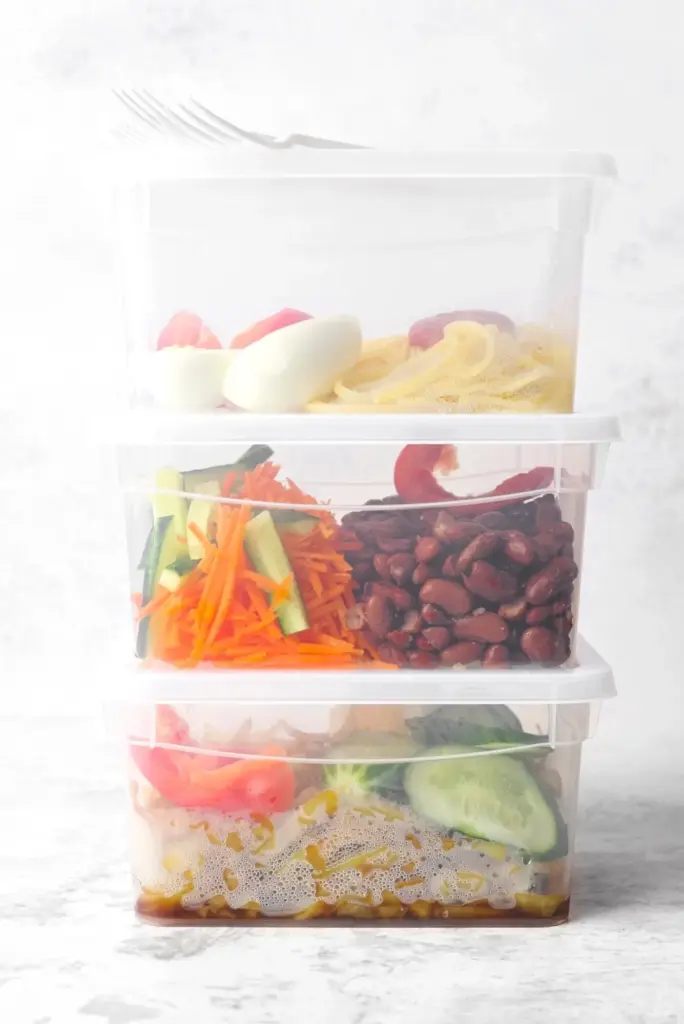
Buying larger quantities without packaging lowers cost per serving and trims trash dramatically. You reduce transport emissions per unit, keep cupboards streamlined, and support businesses investing in refills. The combined effect shows up in your budget, your bin, and your sense that everyday choices truly matter.
Track one month of receipts and note unit prices for oats, beans, rice, nuts, and spices. Compare packaged versus refill costs and multiply by servings per week. People routinely report double-digit savings, especially when impulse snacks disappear and planned meals use every bite purchased.
Audit your trash for a week and count plastic bags, clamshells, and bottles. Package-free habits shrink volumes fast, and composting food scraps unlocks even more space. You may drop a bin size, reduce pickup frequency, and feel the relief of lighter, cleaner living.

Community, Sharing, and Accountability
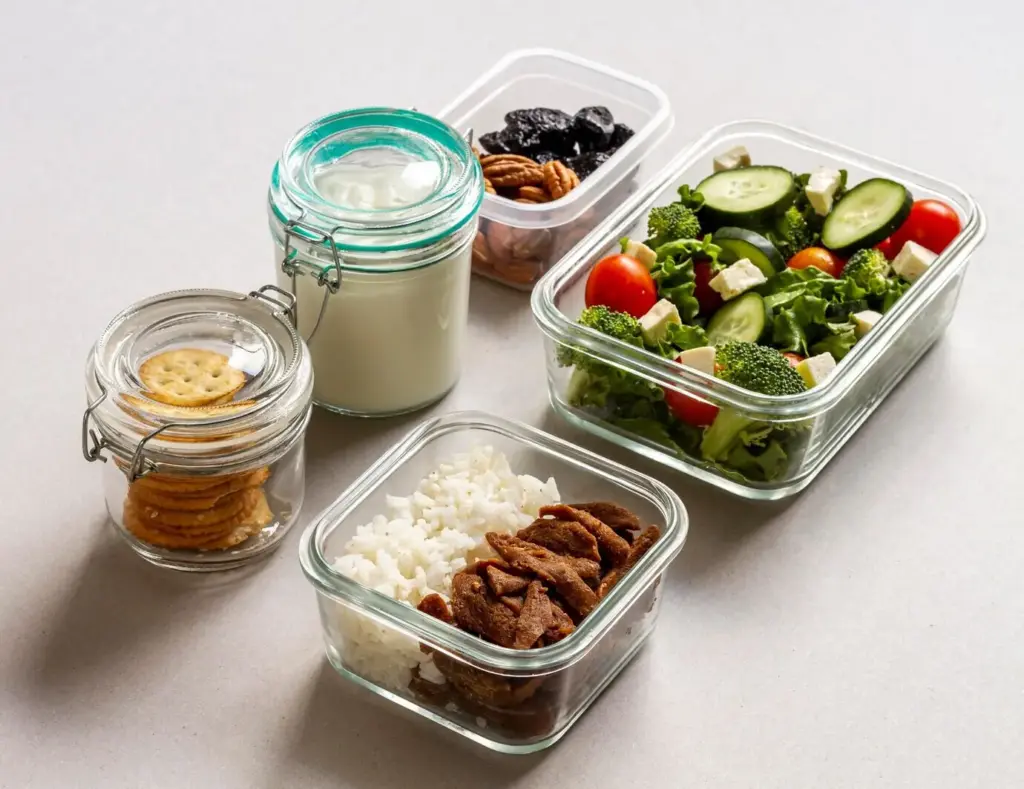
Momentum grows when people coordinate orders, share storage, and swap ideas. Friendly accountability keeps plans on track and turns experiments into traditions. Whether you join a co-op or start a neighborhood group, collaboration stretches budgets, reduces packaging, and fills kitchens with seasonal, healthy abundance.
Kuzipelekokaviro
Privacy Overview

This website uses cookies so that we can provide you with the best user experience possible. Cookie information is stored in your browser and performs functions such as recognising you when you return to our website and helping our team to understand which sections of the website you find most interesting and useful.